A provider should decide whether that discussion fits the patients health history and current concerns
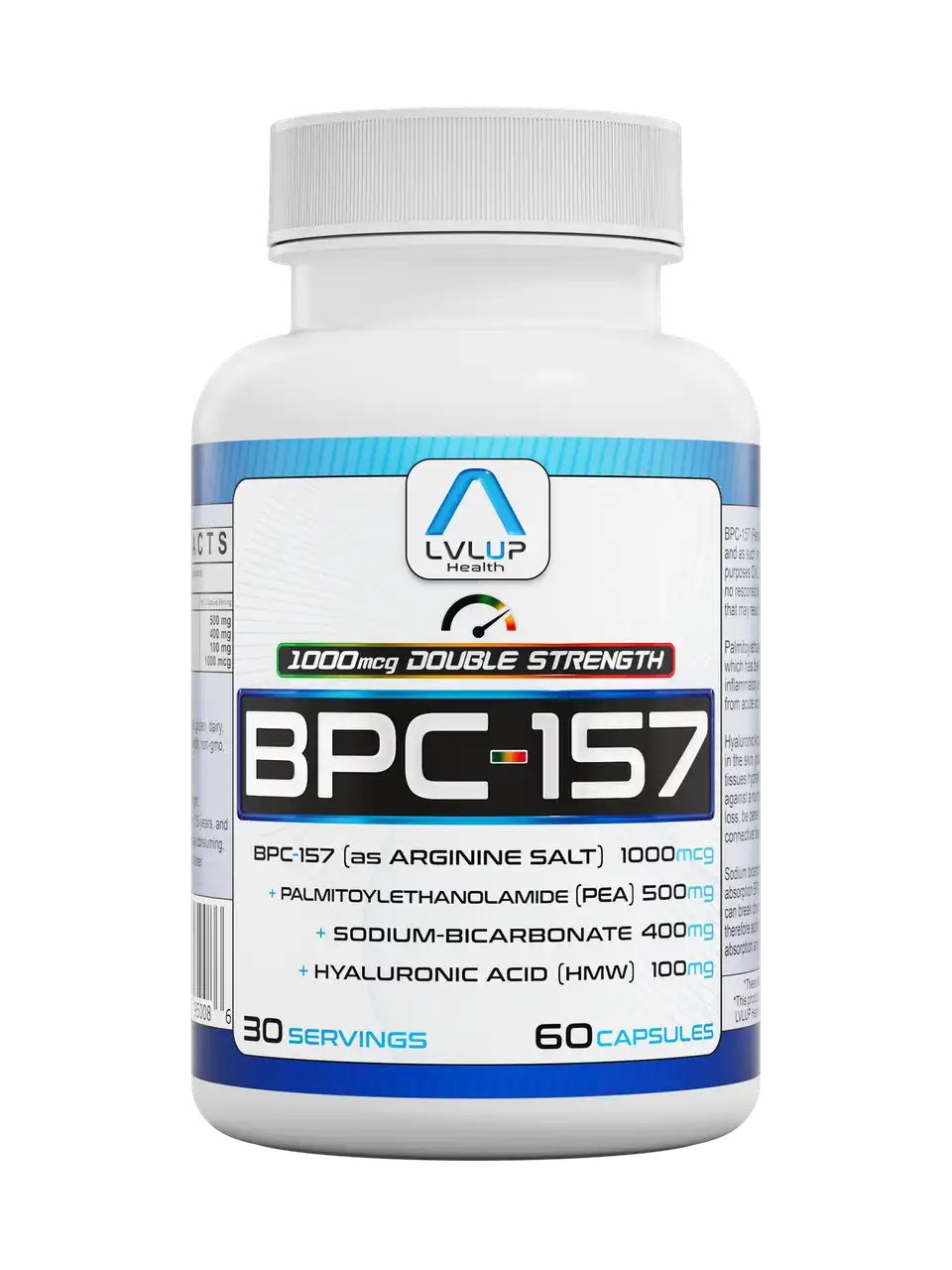
Joint pain and injury: knee, shoulder, wrist, and hip conditions including arthritis, tendon injuries, cartilage damage, and general joint discomfort (via subcutaneous or intra-articular injection) Musculoskeletal trauma: hairline fractures (particularly foot), wrist injuries, muscle strains, deltoid and Achilles tendon damage, and general soft tissue injuries Post-surgical recovery: supporting tissue repair following orthopedic and other surgical procedures Sports and exercise rehabilitation: slow recovery from training, exercise-related soft tissue injuries, and reducing downtime between sessions Gut health: gastrointestinal mucosal protection, inflammatory bowel conditions, and systemic inflammation reduction Degenerative joint conditions: chronic pain from advanced joint degeneration where conventional treatments have provided incomplete relief Skin healing: tissue regeneration and wound healing, including extended protocols for significant skin repair requirements BPC-157 is among the most frequently prescribed healing peptides in physician-supervised longevity and regenerative medicine practice
Measure the exact solvent volume your target concentration requires
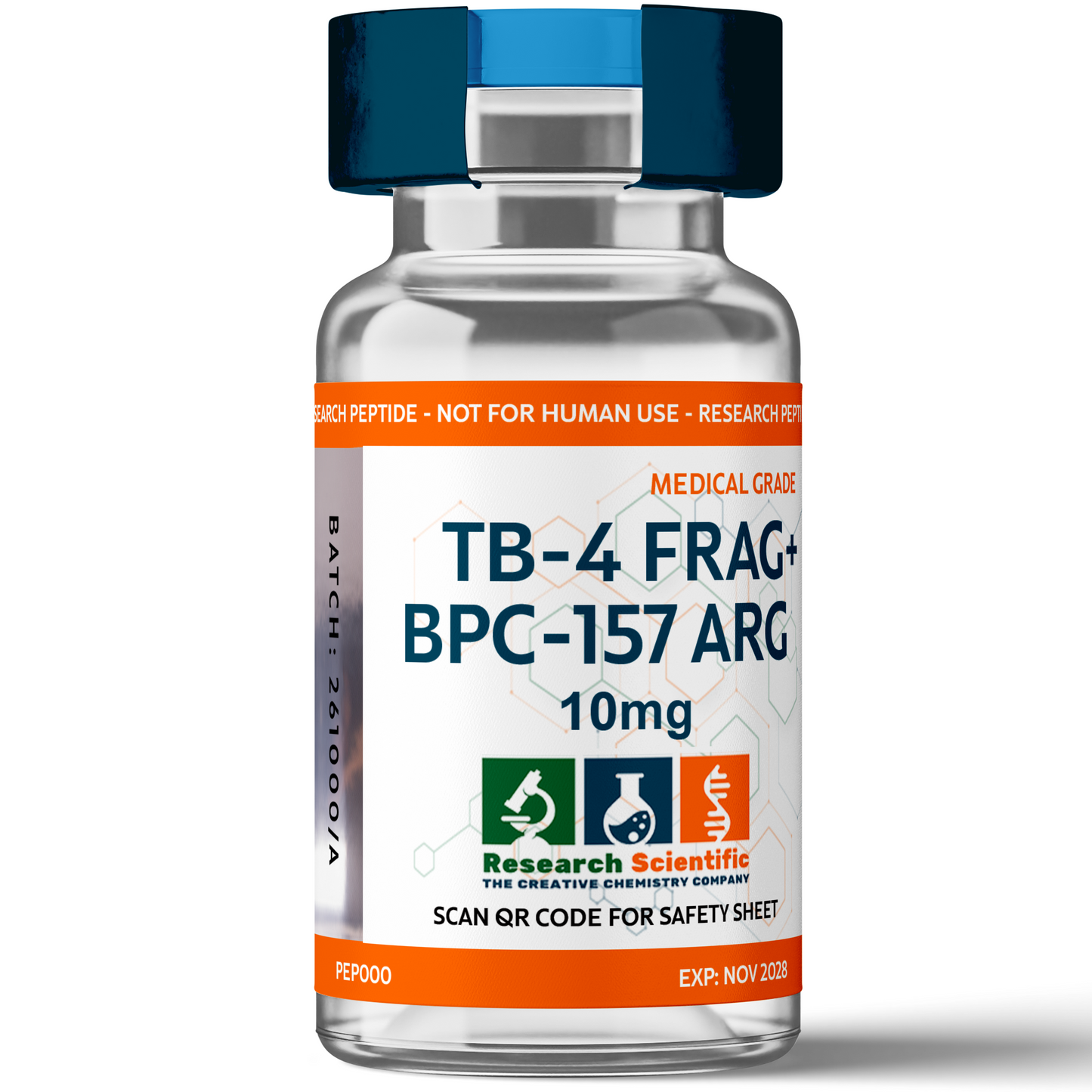
Quick answer In circulating reference protocols a 20 mg blend vial (10 mg BPC-157 + 10 mg TB-500) is commonly reconstituted with 2 mL of bacteriostatic water yielding 5 mg/mL of each peptide and community conventions describe roughly 250500 mcg of each peptide subcutaneously per dose